Scerbo × Fakewhale StudioFakewhale Alpha

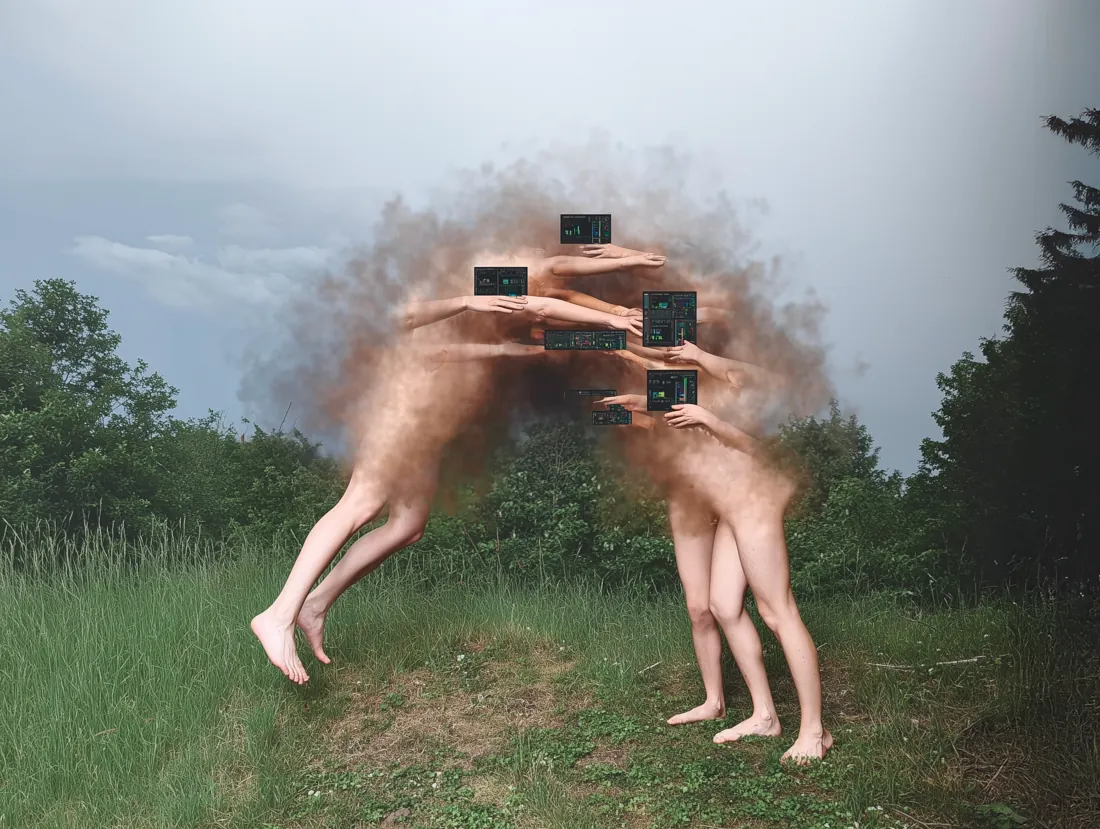
Developed through the Fakewhale Digital Residency, ICONS 6:12 is a body of three hundred unique works by Scerbo × Fakewhale Studio. Photographic bodies enter a synthetic visual system; flesh, apparatus and generated matter are made to share the same surface.
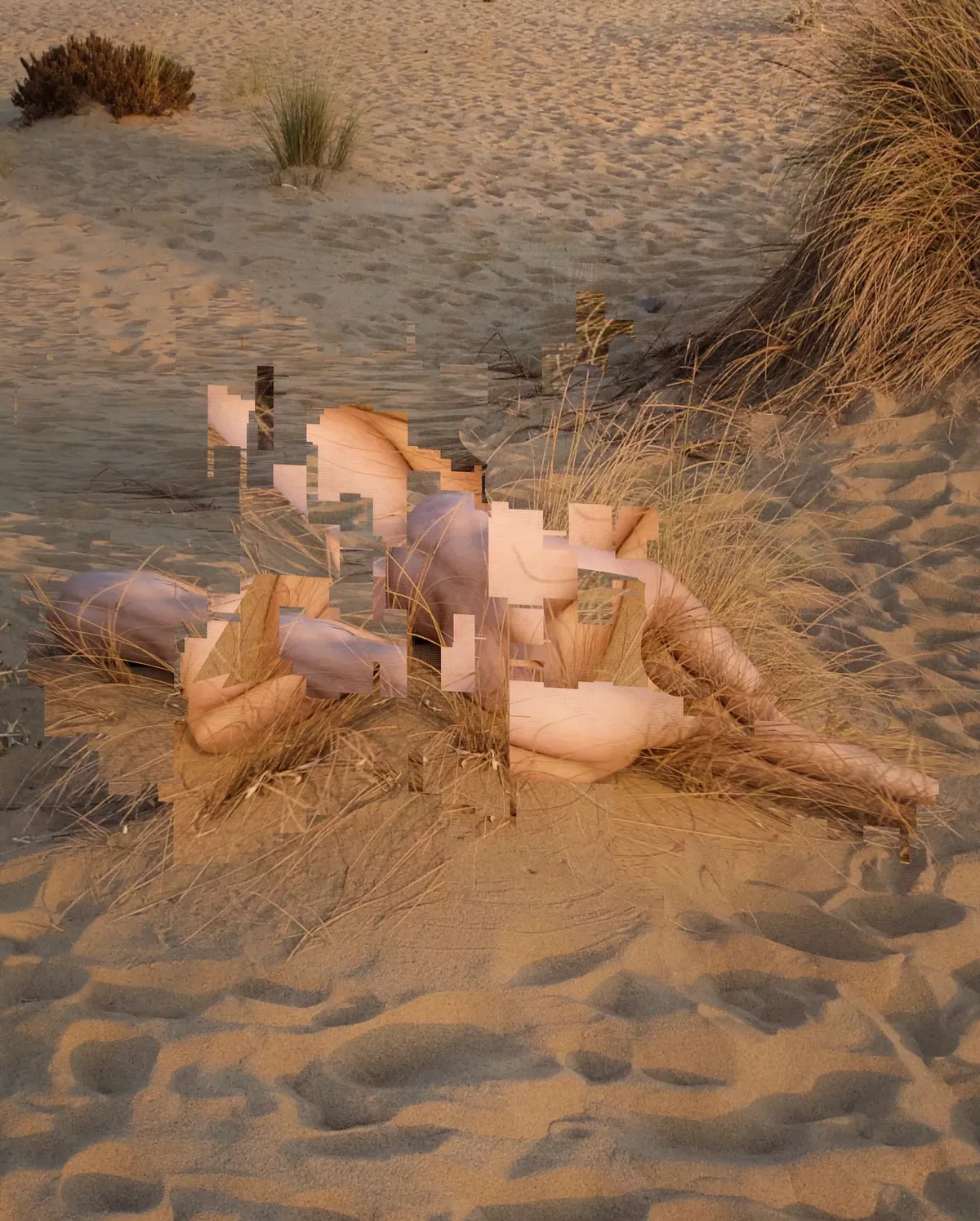
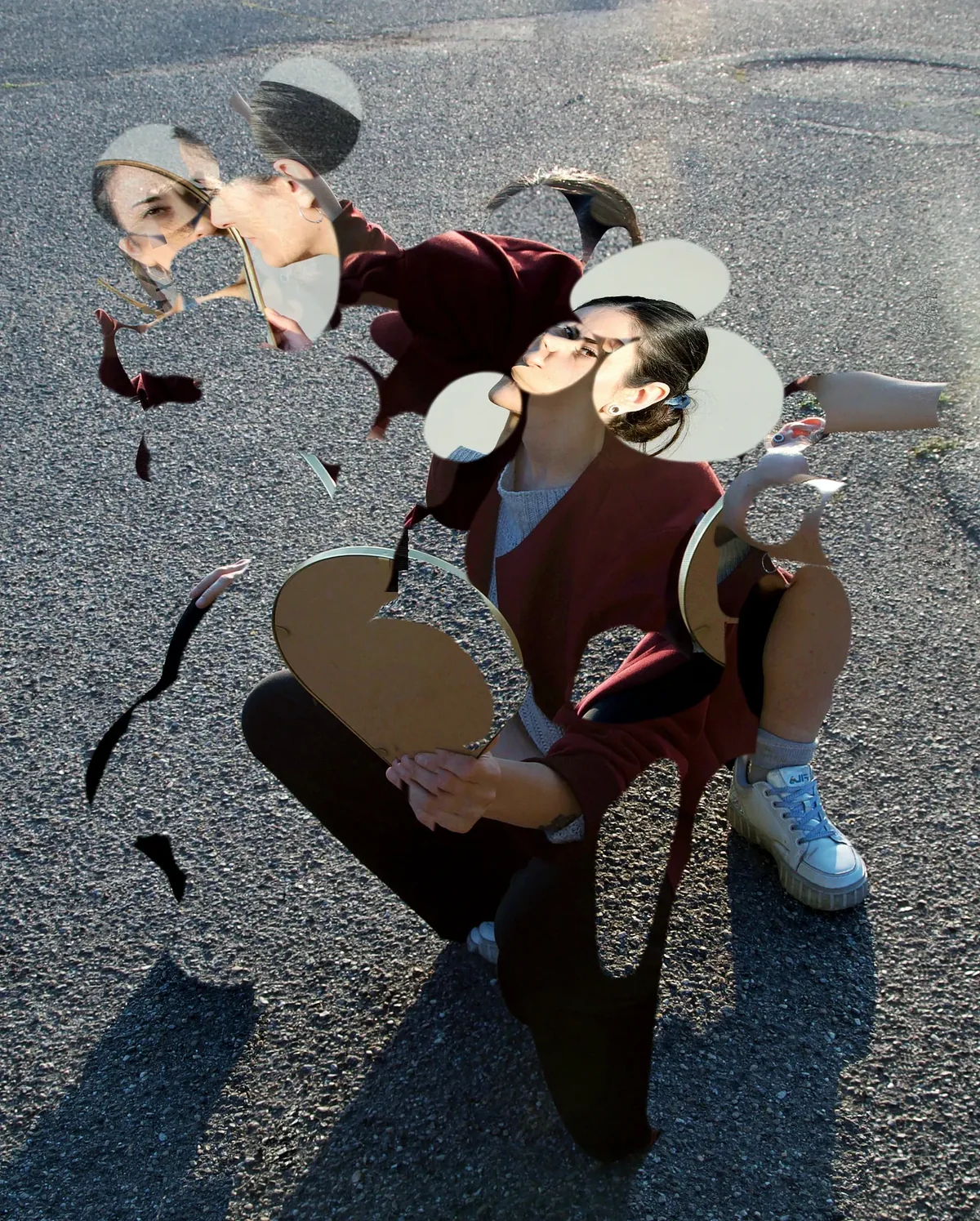
ICONS 6:12 extends a trajectory first made visible in Anti-crash, Scerbo's ten-work series presented by Fakewhale on Verse. Its central figure is the body: photographed, pierced through the alpha channel and recomposed after the image has lost its original stability.
Scerbo describes the process as a recurring cycle of creation, photograph and destruction. A digital brush, produced by corrupting its own setting code, enters the image and leaves the next decision to the visual chaos it generates. The crash becomes a threshold at which control gives way and the body begins to reorganise itself.
Fakewhale Studio enters the project with a different material history: installation, apparatus, technical objects and constructed environments, together with an internal infrastructure for generative production.
Model orchestration, visual research, selection and revision operate as one continuous process. Within ICONS 6:12, this infrastructure becomes artistic material and enters into direct contact with Scerbo's photographic practice.
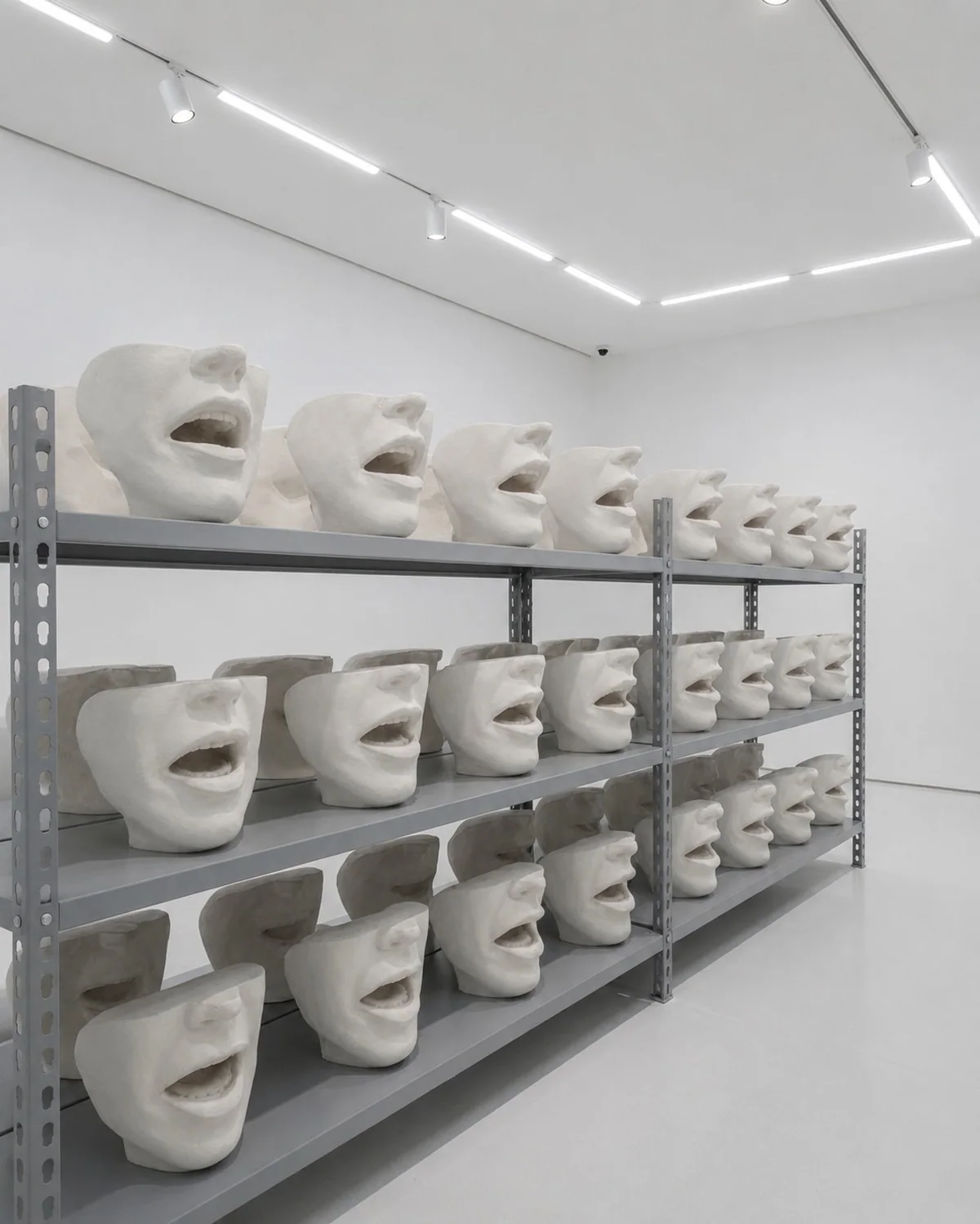
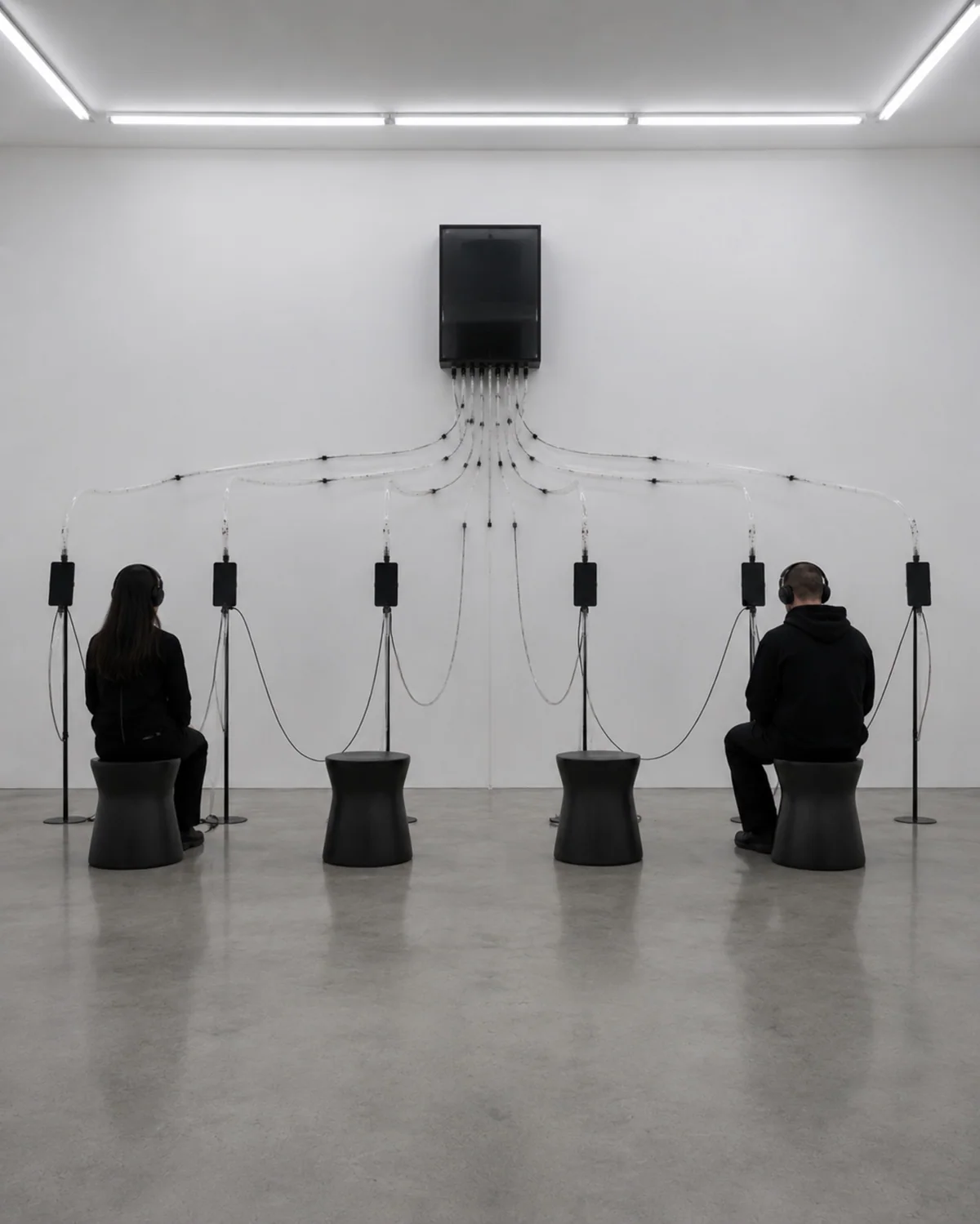
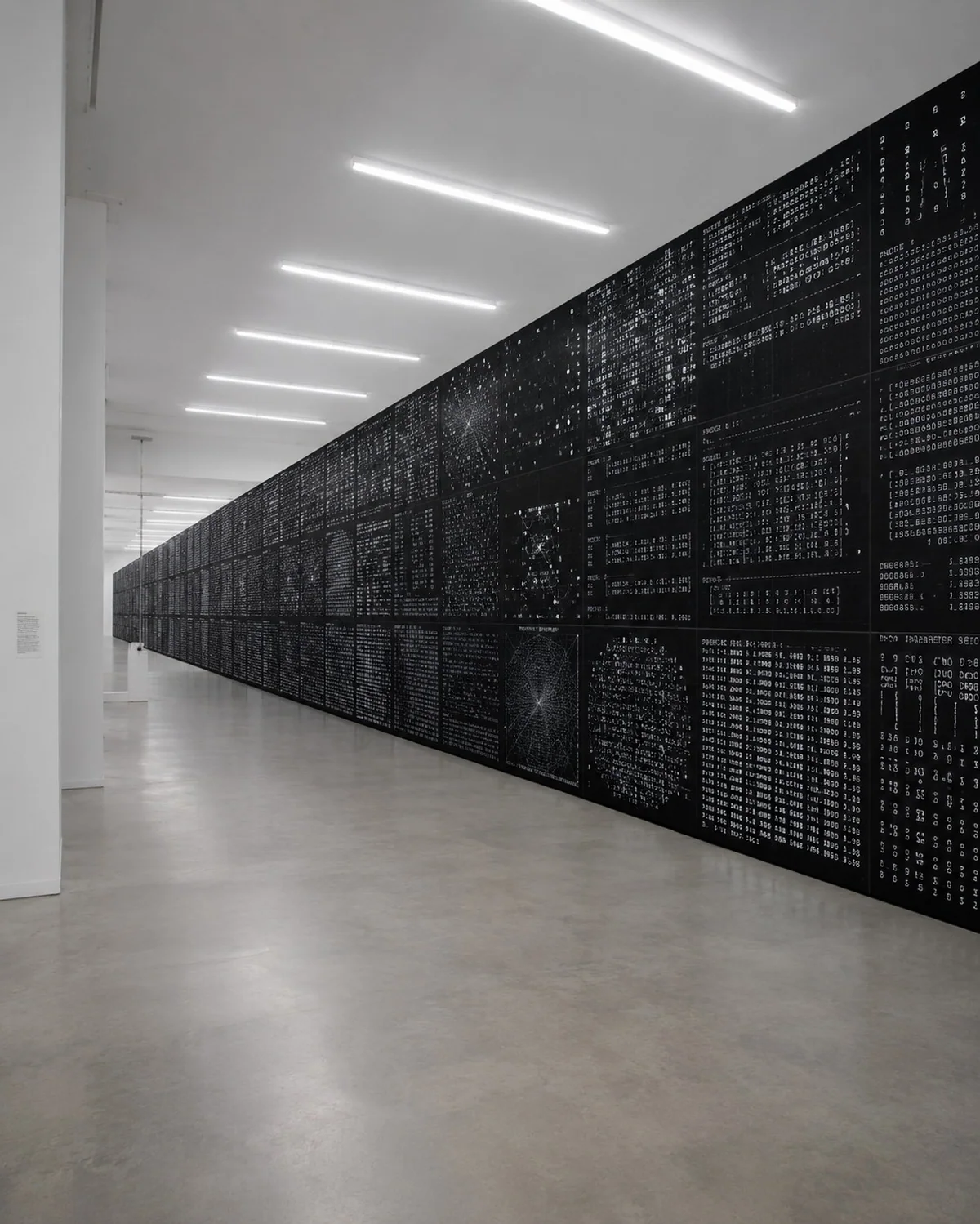
For almost a year, both practices were worked through the same production environment. Photographs, visual archives, generated outputs, technical structures and successive revisions remained in circulation. Every accepted image altered the conditions of the next.
Authorship formed across a continuous chain of shared decisions: directing, interrupting, selecting, returning. The residency became a single body of production. Its method remains embedded in the intensity and recurrence of the images.
The fracture in ICONS is structural. It moves through photographic depth, bodily continuity and the organisation of generated matter. Errors remain inside the process long enough to acquire form; they return as pressure, rhythm and visual memory.
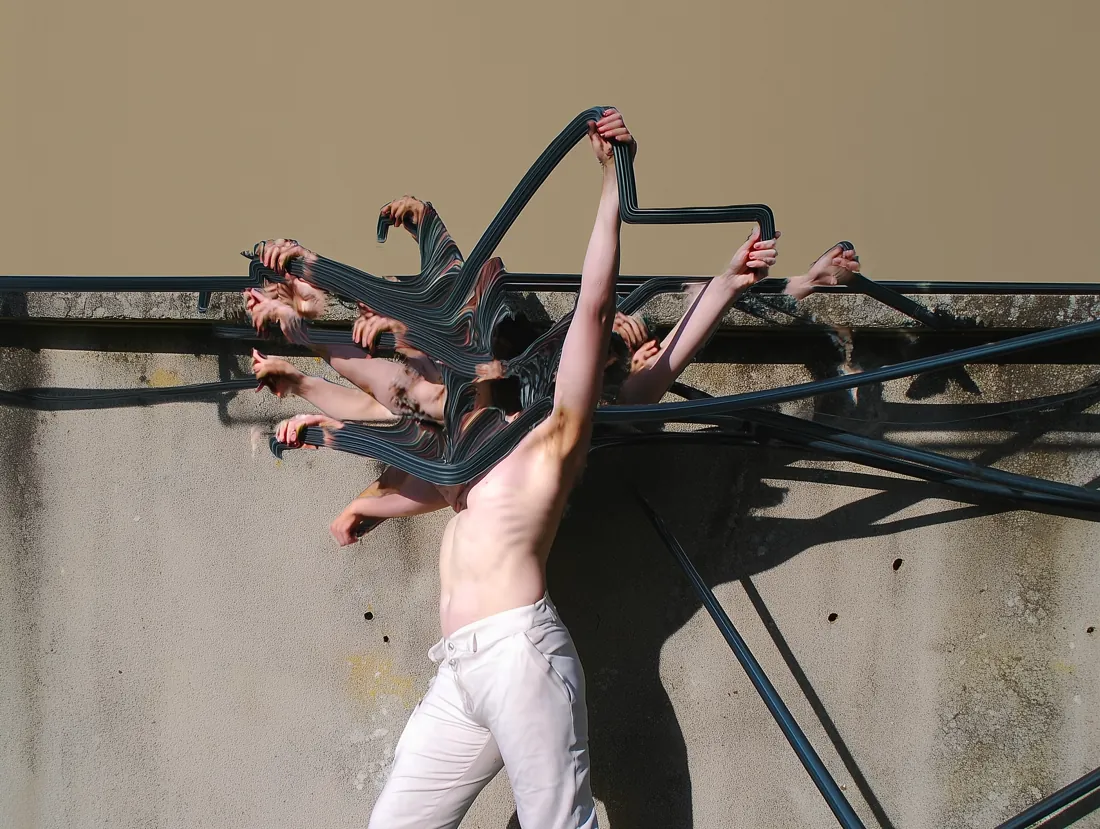
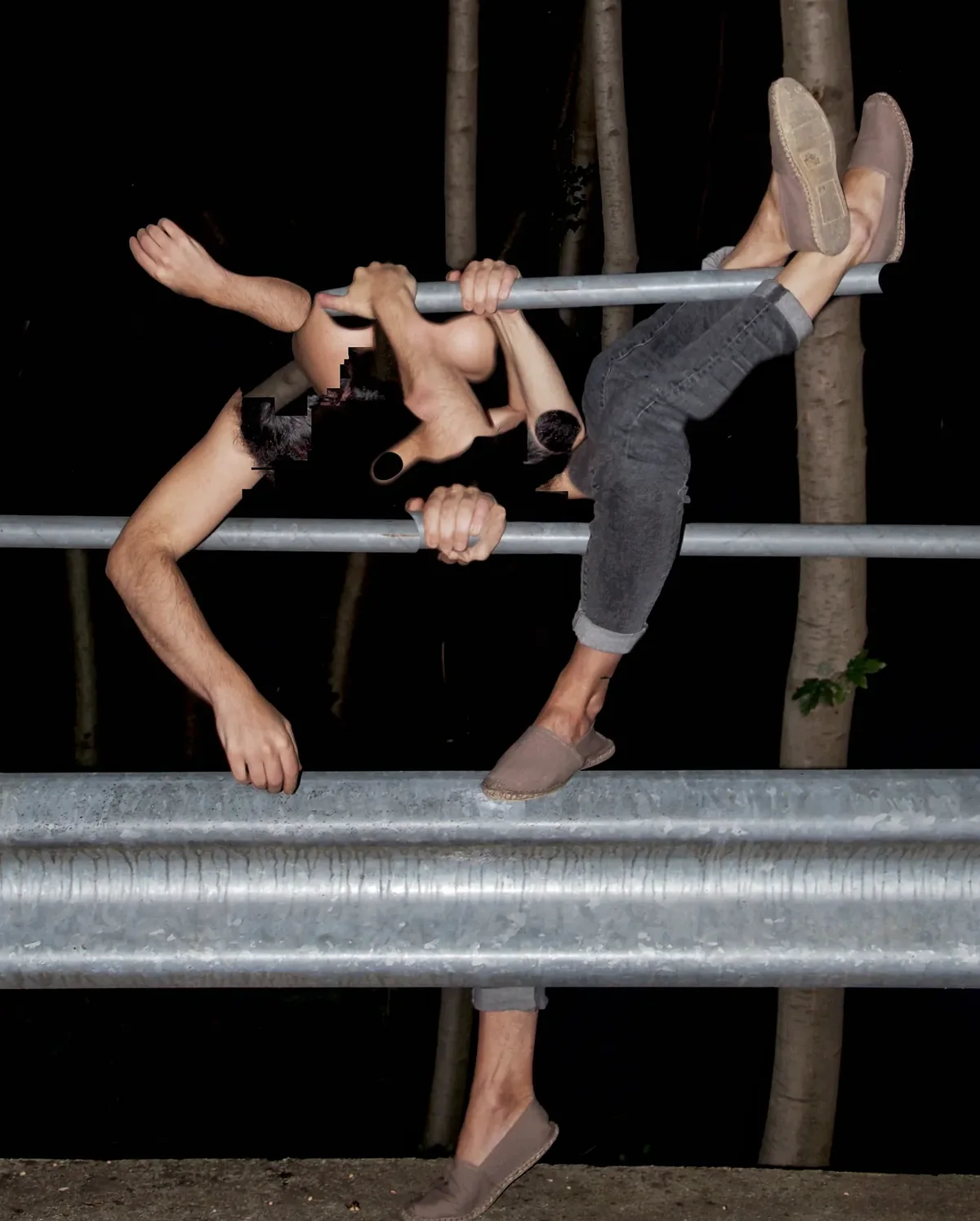
Recognition is held at its limit. A limb becomes a sequence. A face condenses into particulate information. Screens, brackets and cables assume anatomical weight. At each passage, the damaged body returns with a new composure.
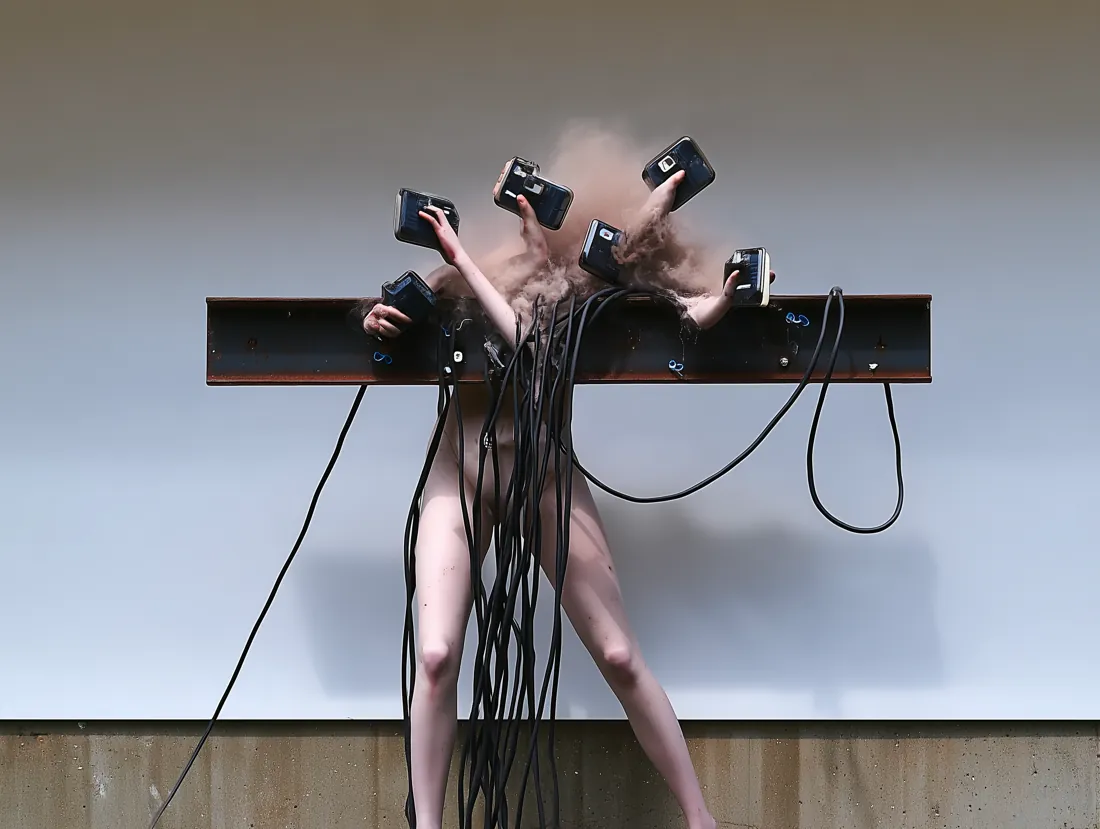
Every digital image undergoes conversion before it becomes visible. Bodies become information; information is ranked, circulated and given visibility. ICONS 6:12 holds the figure inside that passage and gives its transformation the stillness of a devotional form.
Arms open. Bodies kneel. Heads dissolve into technical matter. Deification takes a plural form, distributed across fragments, devices and repeated anatomies. A population occupies the place once held by the singular face.
Daylight, asphalt, grass and pale walls remain visible. Apparition enters the ordinary scene, leaving the violence of the image exposed.
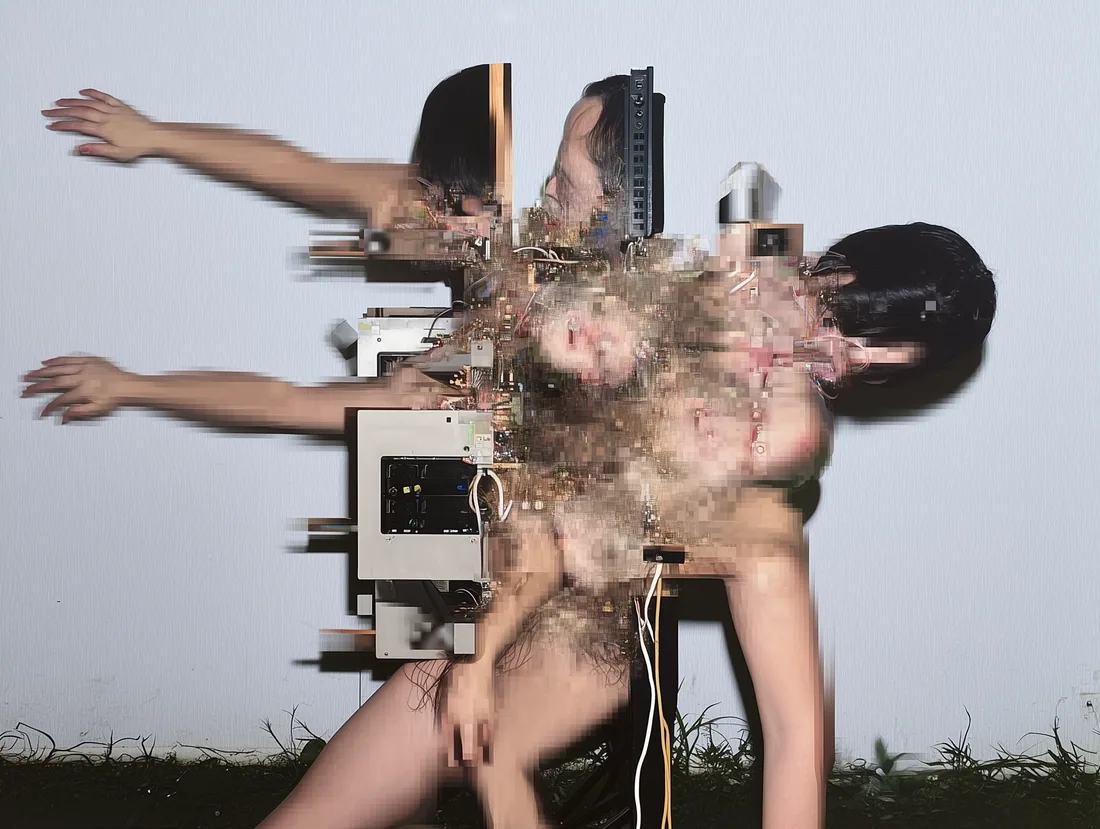
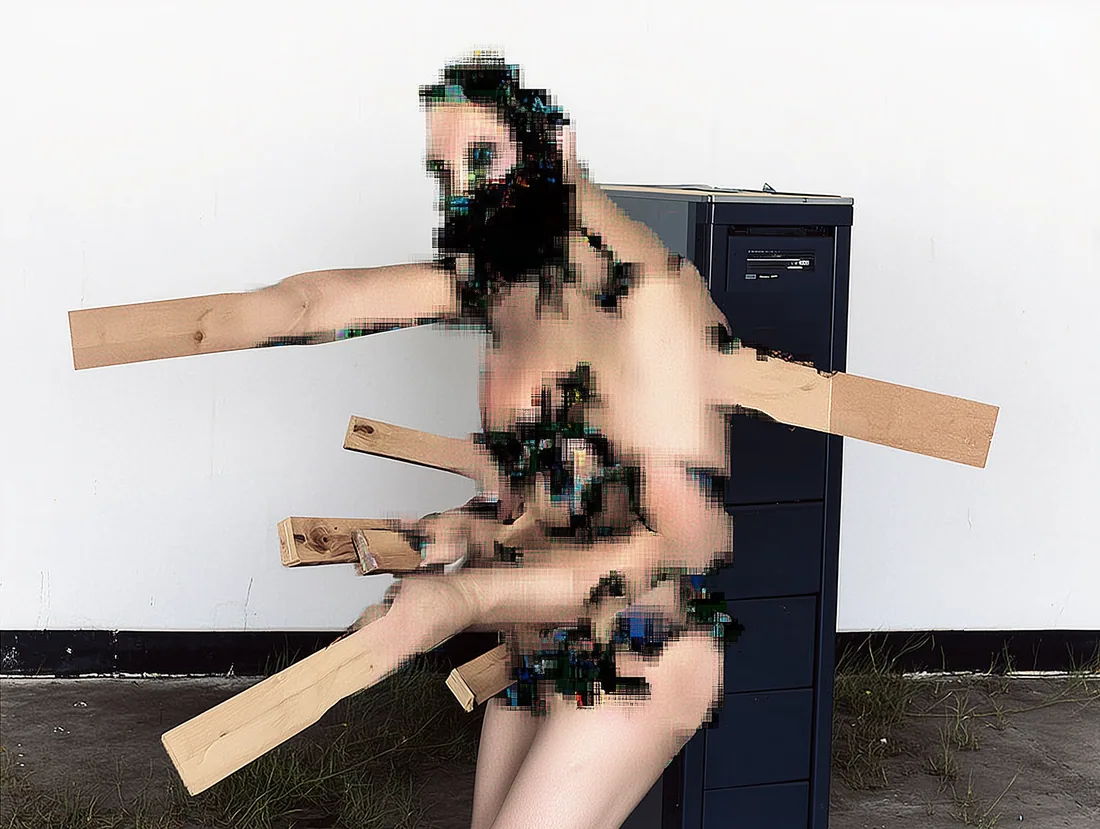
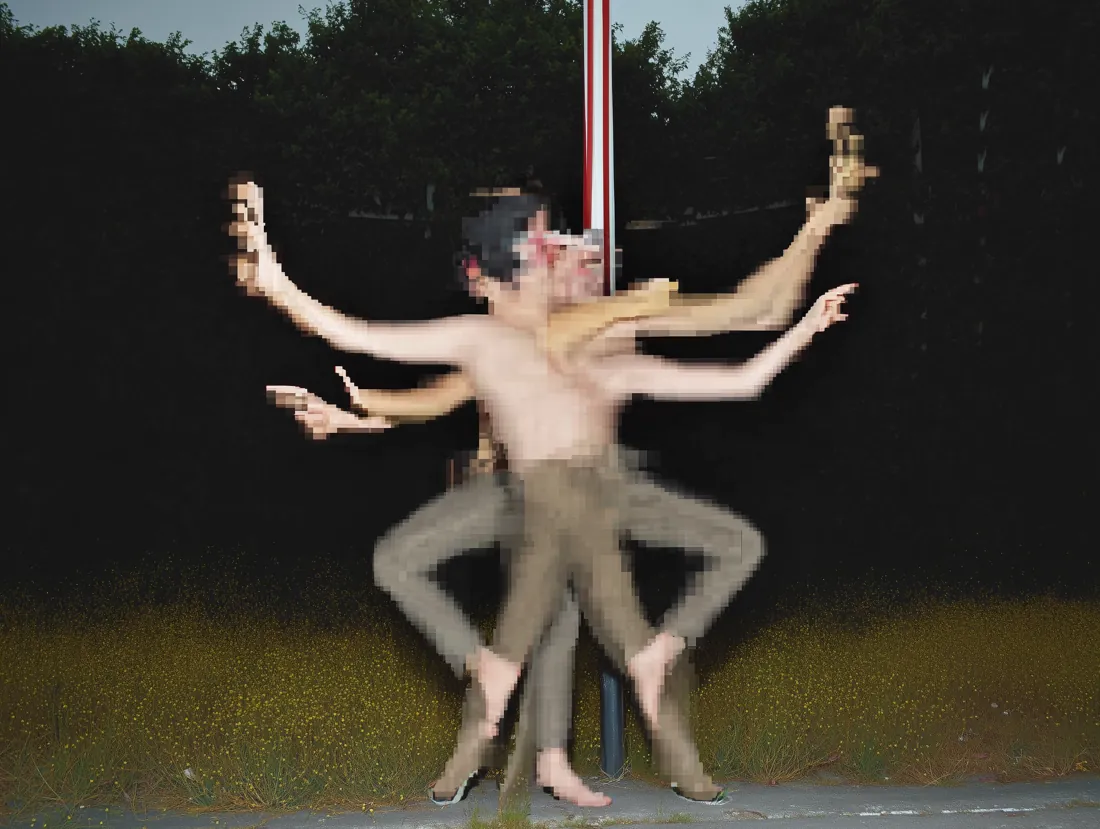
Three hundred unique works give ICONS 6:12 its scale. Bodily coherence moves from minor displacement to near-total dissolution; each image fixes a different point in that passage.
Together they form a distributed iconography. Poses recur, anatomies diverge, apparatus migrates through the flesh. The series establishes its grammar through repetition and its singularity through deviation.
Language enters ICONS as a second body. Our Fracture (AI Litany) carries the cadence of a familiar prayer through dataset, mutation, algorithm, archive, hallucination and void. Its structure remains recognisable as another order begins to speak through it.
The litany gives the corpus a voice and a duration. Repetition becomes invocation. Technical language acquires devotional weight. Image and prayer are formed under the same pressure.